
Mikä on ultraviolettivalo?
Valo on osa spektriä, jota kutsutaan sähkömagneettiseksi spektriksi, joka sisältää myös gammasäteet, röntgensäteet, ultravioletti- ja infrapuna-säteilyn, mikroaallot ja radioaallot.
The Electromagnetic Spectrum is the way scientists refer to a stream of energy (photons). Photons move in waves. The gap between these waves is governed by how much energy the photon has. Big gaps (long waves) indicate lower energy and small gaps (short waves) indicate higher energy. To make it easier to understand, this stream of energy is split into groups according to the gap between the waves - the "wavelength".
Radio waves (long wavelength, low energy) can have as much as a kilometre between each wave whereas at the other end of the spectrum, with visible and ultraviolet light (short wavelength, high energy) the gap is so small it's measured in nm (nanometers – 1 thousand of a millionth of a metre!).
The human eye can see radiation with wavelengths from 400 to 700 nanometers (nm), and so we refer to this as "visible light". Ultraviolet light has a shorter wavelength than visible light, and cannot be seen by humans although for many animals, including reptiles, vision extends well into the ultraviolet.
Alla olevasta kaaviosta näet kuinka ultraviolettivalo sopii sähkömagneettiseen spektriin.
Perinteisesti ultraviolettivalo jaetaan kolmeen luokkaan, UVA, UVB ja UVC.
UVA (320-400nm) is an important component of sunlight, and is supplied in small amounts by "ordinary" household bulbs (incandescent lights) and by lighting often described as "full spectrum" light. Larger amounts are supplied by all specialist ultraviolet lamps.
UVA is part of the visible spectrum for reptiles; they see colours and patterns differently to us because of this extra dimension to their vision. Some reptiles rely upon UVA light to identify individuals of their own species by their UVA-reflective markings; many plants and insects also have distinctive UVA reflectance and "patterns" which enable reptiles to recognise them.
UVA-valolle altistuneet matelijat osoittavat lisääntynyttä sosiaalista käyttäytymistä ja aktiivisuutta, ovat taipuvaisempia paistattamaan ja ruokkimaan ja todennäköisemmin lisääntymään, koska UVA-valolla on myönteinen vaikutus käpyrauhaseen, joka on valoherkkä rakenne juuri sen alla. aivot, jotka reagoivat päivänvalon lisääntymiseen ja vähenemiseen vuodenaikojen vaihtuessa.
UVB (280-320nm) is found in natural sunlight. The atmosphere blocks wavelengths below 290nm so on the earth's surface, the UVB range is from 290 - 320nm. UVB is blocked almost completely by ordinary glass and by most plastics, so it does not pass through windows or the sides of glass vivaria.

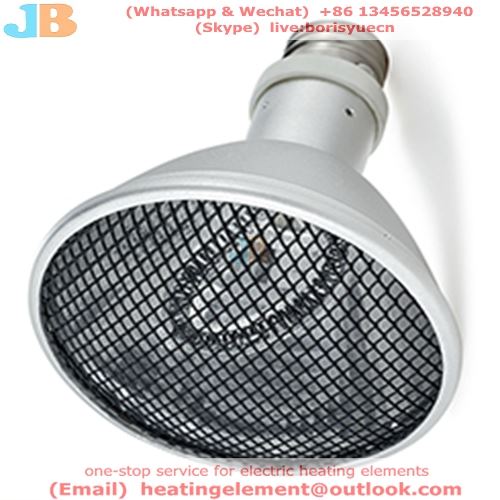
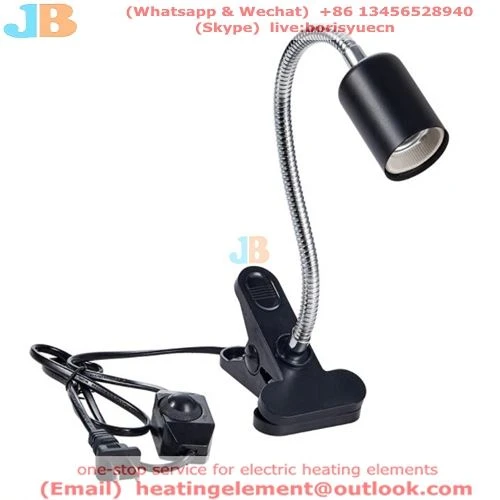
It is not provided by normal household lighting or most so-called "full spectrum" lights, but nowadays there is an ever improving and expanding range of lights that can supply UVB in the vivarium.
On yhä enemmän todisteita siitä, että matelijat voivat todella havaita UVB:n, vaikka on epävarmaa, näkyykö se heille.
Monet matelijalajit, erityisesti päivänvalossa elävät liskot, käyttävät UVB-säteilyä alueella 290–315 nm helpottaakseen D3-vitamiinin (kolekalsiferolin) foto-biosynteesiä iho. Jos tällaisilta matelijoilta puuttuu tämä tietty ultraviolettisäteilyn aallonpituus, niillä on riski saada D-vitamiinin puutos, joka voi ilmetä metabolisena luuston häiriönä, lamauttavana ja usein kuolemaan johtavana sairautena, jota tavataan aivan liian usein suuremmissa lisoissa, kuten leguaaneissa ja parraisissa. Lohikäärmeitä.
UVB:llä voi olla muitakin hyödyllisiä vaikutuksia. Sen on osoitettu stimuloivan beeta{0}}endorfiinien tuotantoa ihmisen ihossa, mikä johtaa hyvänolontuntoon-. Ei ole syytä olettaa, että tämä prosessi tapahtuisi vain ihmisissä.
UVC (180-280nm) is harmful to living cells; it is naturally filtered from sunlight by the ozone layer, and is never required, nor should be permitted, in artificial lighting.